Belvoir St Theatre, May 20
8.5/10
This is Paula Arundell’s defining role. A one-actor adaptation of Daphne du Maurier’s The Birds (which Alfred Hitchcock ensured pecked at a shared, ancient paranoia in his 1963 film version), it taps into every aspect of Arundell’s acting powers, and she’s never found wanting. When the fortunes of her primary character, Tessa, are at their bleakest, her very physiology changes: she seems to grow in stature and resolution and, as director Matthew Lutton says in his program note, she becomes a warrior.
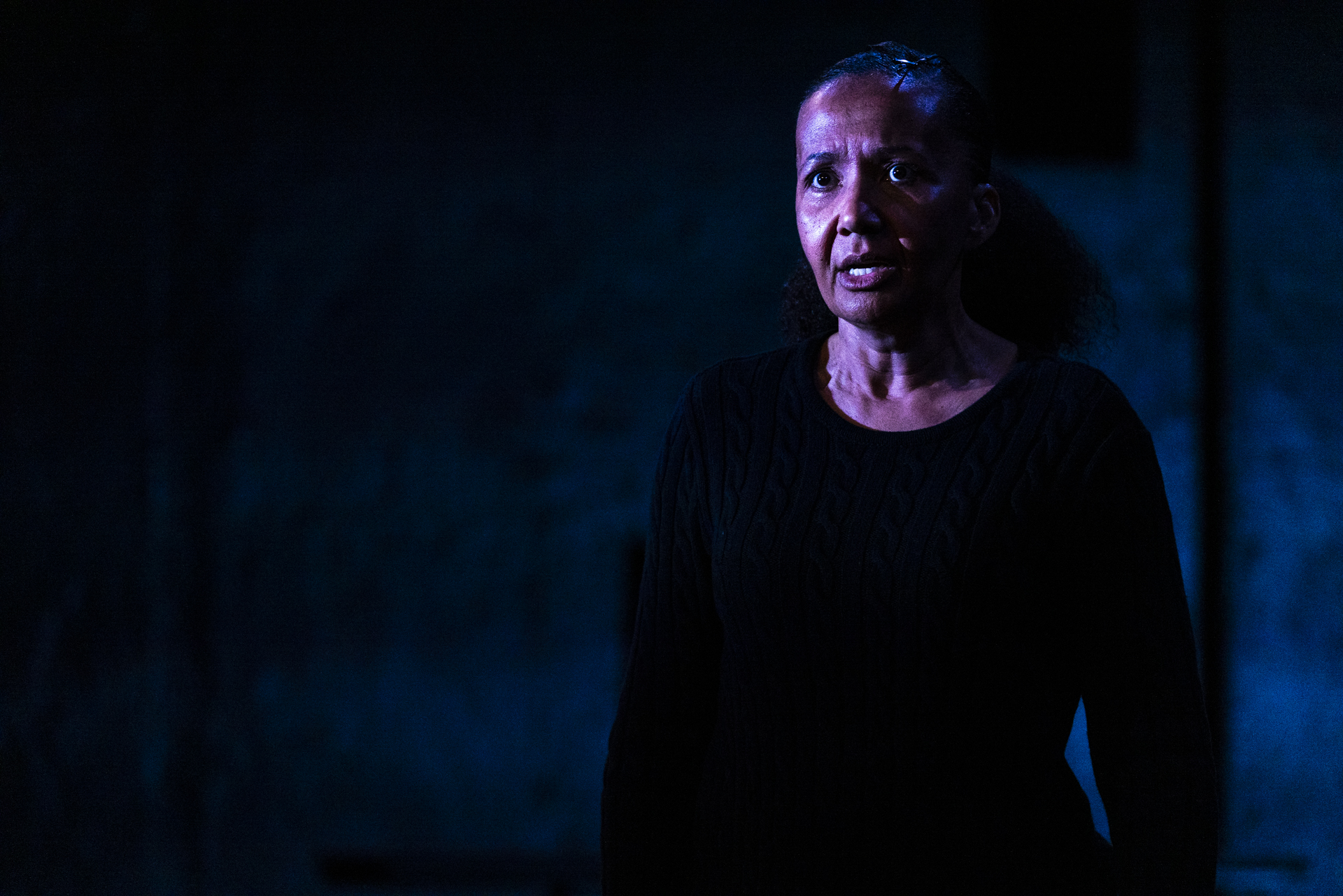
Louise Fox’s script has been honed until its bones gleam through its skin. Even its poetry is sparse and lean. Hitchcock took du Maurier’s book, set in late-1940s Cornwall, and relocated it a dozen years later in California. With Fox’s adaptation set in Australia right now, the story is revealed as timeless and even mythological. Perhaps the birds could turn on us. God knows we’ve provoked them enough.
Any one-actor play must balance narration and action, and this one very much prioritises action, which doesn’t mean that Lutton has Arundell dashing about Kat Chan’s simple set: often she impales us just with her voice and facial expression. But it does mean she spends more time amidst the story’s frenzy than merely describing events.
Fox’s text is also a template begging for others’ artistry. Crucial to the sucess are two qualities: Arundell’s creation of multiple characters who are just as convincing as Tessa, and the realisation of the birds, which is a joint triumph of composer and sound designer J David Franzke and lighting designer Niklas Pajanti.
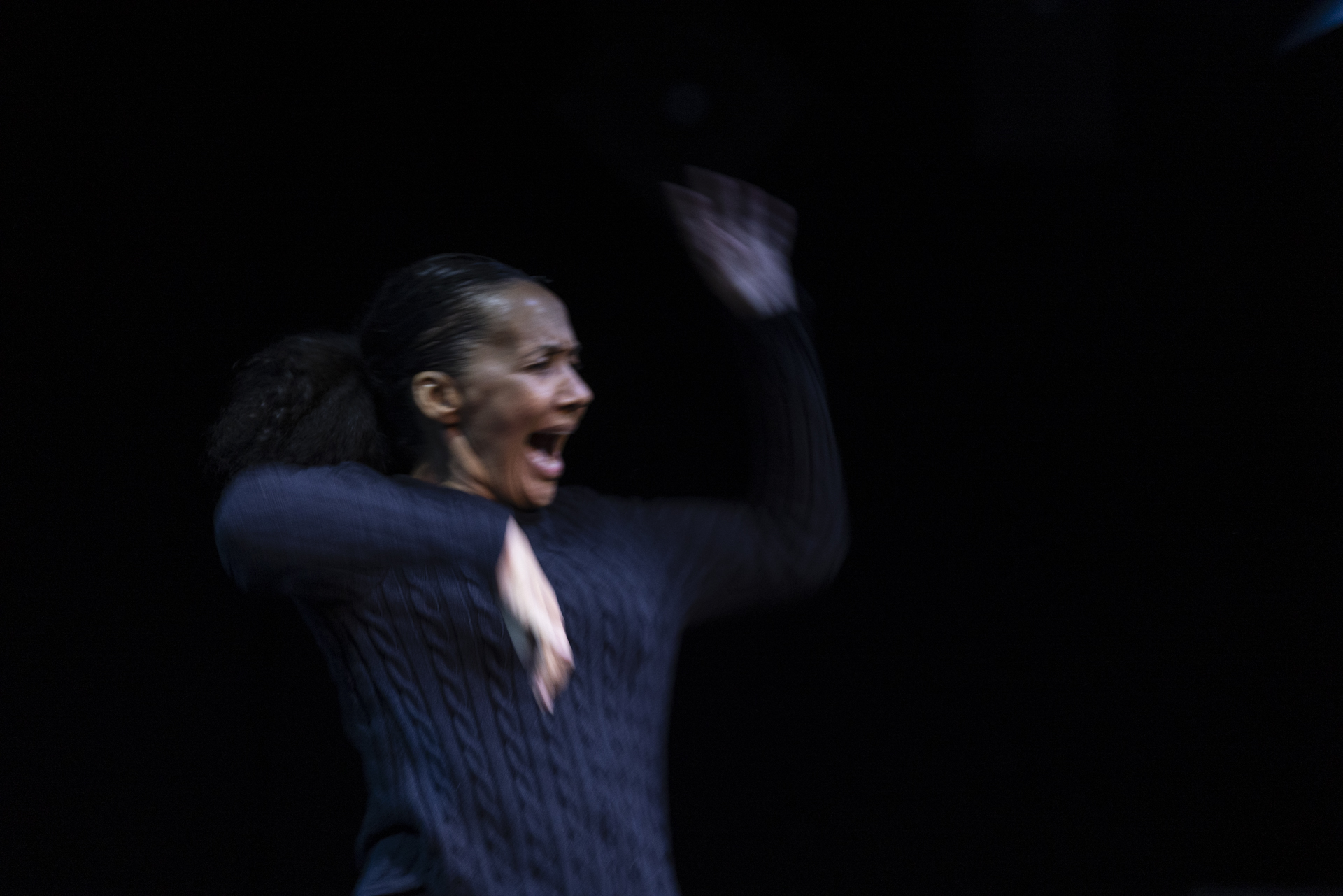
Before this season (and following the show’s origination at Melbourne’s Malthouse Theatre two years ago), Arundell told me in an interview that she’d arrived at the voices organically: they were simply her response to Fox’s text. The wonder is that she can hold four-way conversations between Tessa, Tessa’s husband Nat, and their young children, Johnny and Jill, and, such is her conviction and virtuosity, we almost see them.
Equally virtuosic are the sound and lighting. Like the whole project, the use of surround sound could so easily have been melodramatic. Most plays that brush against the horror genre are. Franzke places us in Tessa’s home, and then nearly makes us duck from the frightening sounds of the birds’ assault.
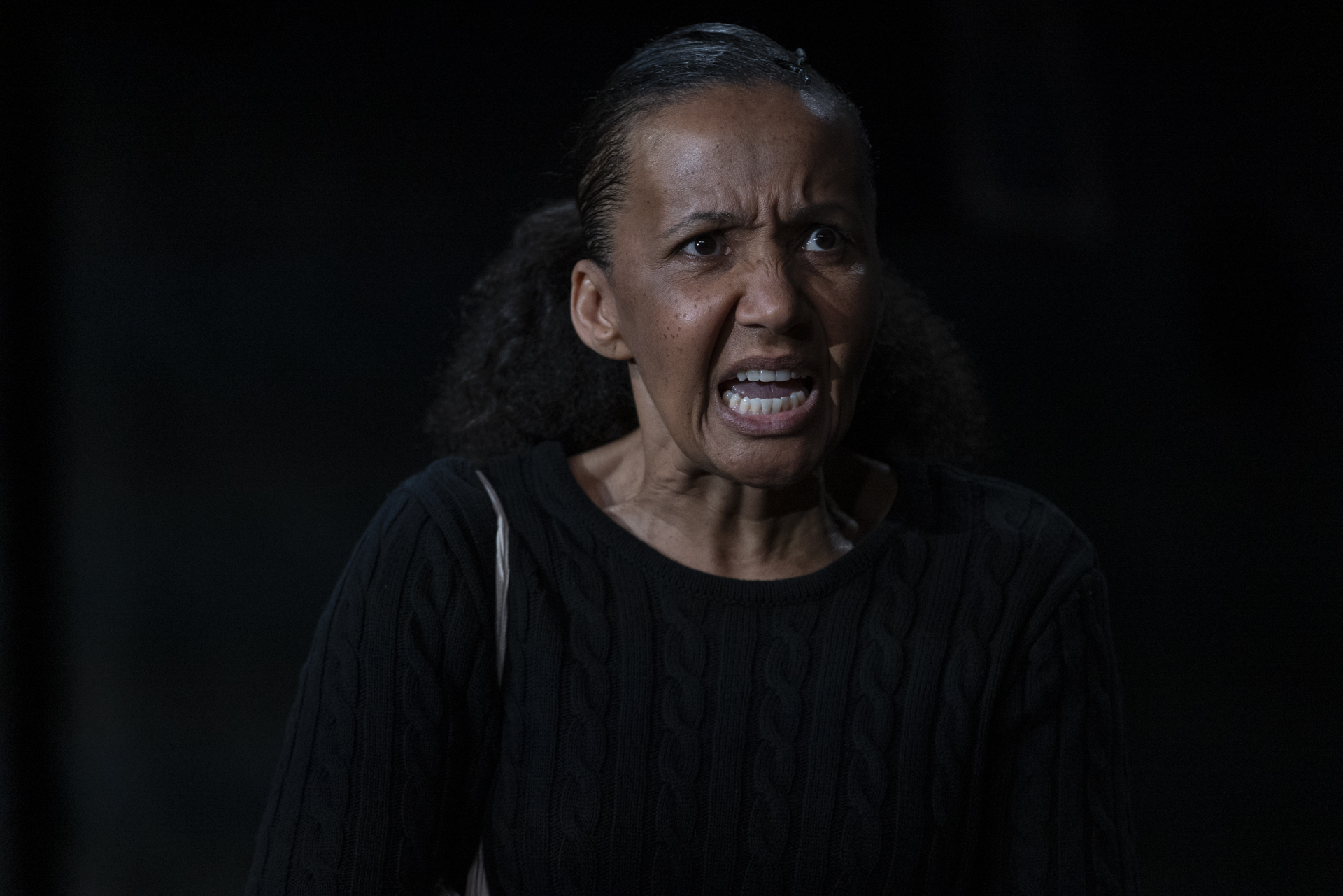
When Tessa is repeatedly attacked on her way home from school, sound and lights converge in a series of sudden shocks that fire synapses in every imagination, so where some people initially giggled at Arundell’s different voices, we’re now all deathly silent; under the same spell. Even the lights, themselves – black shapes, hanging low over the stage – become birdlike in our minds, and later tiny spotlights replicate the creatures’ watching eyes.
Fox’s building of suspense is masterful, and, while we share its spell, I suspect everyone leaves with wildly diverse responses, from enjoying high-quality B-grade horror, to having seen a warning of environmental apocalypse.
Until June 14.