As a five-year-old, Nancye Hayes had an epiphany when she saw the musical Annie Get Your Gun. “I knew then exactly what I wanted to do,” she says. “I kept saying to my mother, ‘When I grow up, I’m going on the stage’. She’d just sigh and say, ‘Oh, that’ll be nice, dear.’”
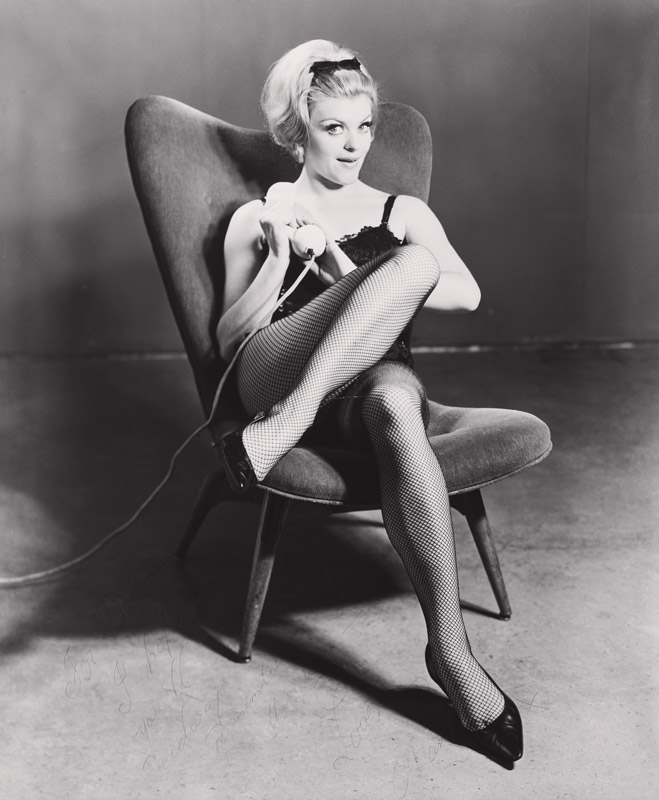
The future grande dame of Australian musical theatre had already been learning to dance in Manly since she was three, and by her teens was in amateur musicals. Upon leaving school, Hayes was still determined to follow her dream, but her mother insisted on two years’ secretarial work, first. Accepting the deal, Hayes at least had money to buy LPs of musicals, to which she’d sing and dance along. “The first one was West Side Story,” she says, “which I’d actually seen at the Tivoli in Sydney, and it just changed my concept of musical theatre.”
After the two years, she successfully auditioned as a dancer in My Fair Lady in 1961, a time when dancers never spoke or sang. “We used to ‘goldfish’ [mouth] the songs,” she says. “We used to goldfish [singing], ‘Every duke and earl and peer is here…’”
That changed with the more ensemble approach of 1964’s How to Succeed in Business Without Really Trying, in which she had a small part as an old woman scrubbing floors. The producers noticed Hayes’ flair for comedy, and she understudied a secondary lead, Hedy LaRue. Having been given a matinee in the role, she landed the part for a national tour, establishing a pattern of comic rather than romantic or ingenue leads.
After moving from Manly to Potts Point, she was a regular in such potted musicals at Menzies Theatre Restaurant as Kiss Me Kate, Brigadoon, Bells Are Ringing and Annie Get Your Gun. “I was in heaven,” she enthuses. “We were playing one thing at night and rehearsing another during the day.”
In 1966, a US director saw her in The Boys from Syracuse, told her that the upcoming Sweet Charity would be perfect for her, and sent her the record. “I played it to death,” Hayes says. “But I thought that to put someone my age [24] into a role of that size probably wouldn’t happen.”
It did, and was her big break. “On opening night,” she recalls, “as I stood there with my back to the audience in my costume, I just kept thinking, ‘Please, God, don’t let me let anyone down. Let this go all right.’ And it did. It was a fabulous opening night, so it was all very thrilling.”
That success led to a fallow period, however, in which it was assumed she’d only accept starring roles. She cooled her heels with TV, straight theatre and Menzies musicals, while making clear she was open to any good role. The offers began to flow.
Among her 100-odd characters, she especially fondly remembers Charity, Miss Adelaide (Guys and Dolls), Mrs Lovett (Sweeney Todd), and Madame Armfeldt (A Little Night Music). Straight plays she treasures include The Glass Menagerie, The Importance of Being Earnest, Stepping Out and Six Dance Lessons in Six Weeks (with Todd McKenney).
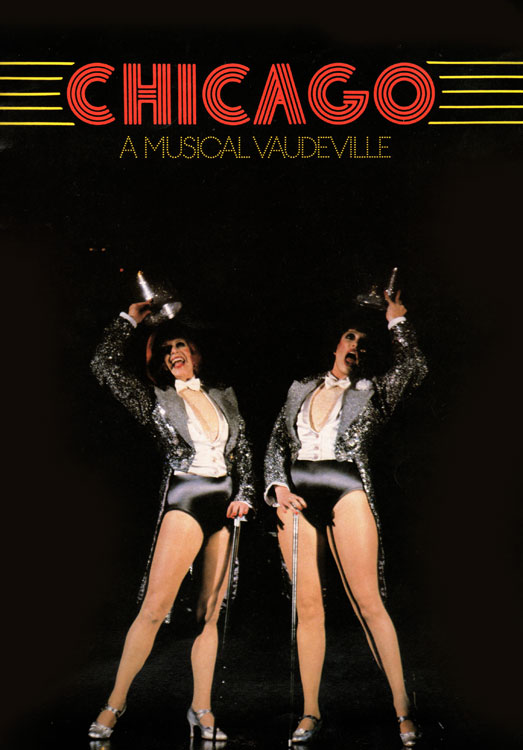
Above all she loved playing Roxy in Chicago – which was also when she met her late husband, Bob Bertles, a preeminent jazz saxophonist. Hayes had been a Chicago fan since its Broadway opening in 1976, and Sydney Theatre Company mounted it in 1981, the year she received an OAM (followed in 2014 by an AM). Rehearsals duly reached the sitzprobe (assembling cast with orchestra for the first time), and she was struck by this saxophonist.
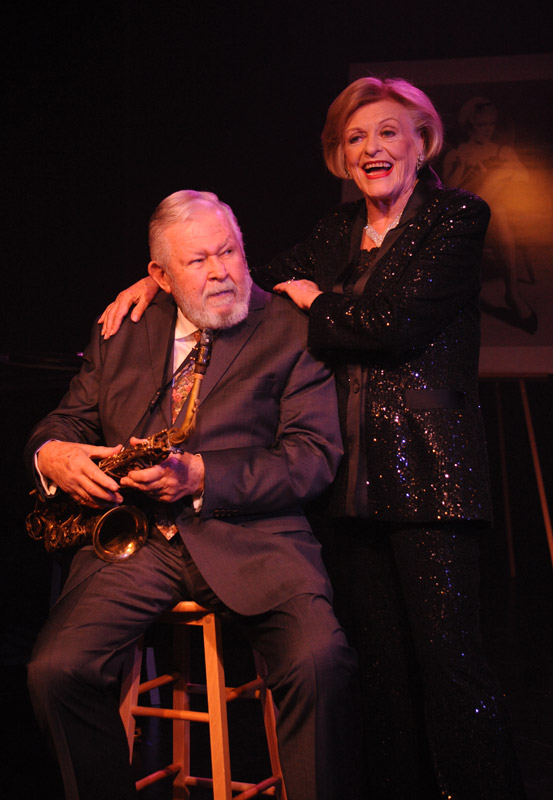
During the show’s second Sydney season, she confessed her crush to singer Judi Connelli. “She gave him the third degree,” says Hayes, “and came back and said, ‘Well, he’s divorced, works at the Con, and seems a very nice man. But if you become a band mole, I’ll never forgive you.’”
The couple married soon after, with Bertles often playing in Hayes’ shows until he died in late 2024, on the day she began rehearsing STC’s 4,000 Miles. She’d known for some weeks that he was dying, and a dear friend advised that her commitment to the play would give her strength to deal with the loss. “In many ways it did,” she concedes. “It didn’t make it any easier, but it made me get up in the morning and go and do what I had to do. I mean, the grief is there, and it will always be there. I loved him all my life, and I’ll miss him for the rest of it.”
From 1979, Hayes added choreographing and then directing to performing. “You get to a certain age and the roles aren’t always there,” she explains, “so I had to diversify.” When she directed the 2001 production of The Wizard of Oz, with a cast including Nikki Webster (after her star turn at Sydney’s Olympics), I covered the rehearsals for this masthead, and, despite myriad complications (including strict regulations covering the dogs playing Toto!), Hayes remained a picture of unflappable expertise and effortless charm.
She was doing Sunday in the Park with George in Melbourne when David Campbell rang her and explained that Darlinghurst Theatre was changing to specialise in musicals and cabaret, and they’d like to rename it after her. “I really was dumbstruck,” she recalls. “I think I said, ‘Are you sure?’ because I could think of many other people like Jill [Perryman] and Toni [Lamond].” Immensely flattered, she accepted, and admires the quality of work routinely appearing there, particularly the ingenuity of mounting musicals on such a small stage.
Hayes has also taught extensively, including intermittently at WAAPA for 20 years, instilling the importance of discipline and of accepting whatever’s offered. “Sometimes people come out of courses,” she says, “and they’ve played leading roles, and they’re only expecting to do leading roles. Well, it’s not always going to happen. So if the opportunity comes to do something, say yes, because you don’t know who’s going to see you or whom you’re going to work with.”
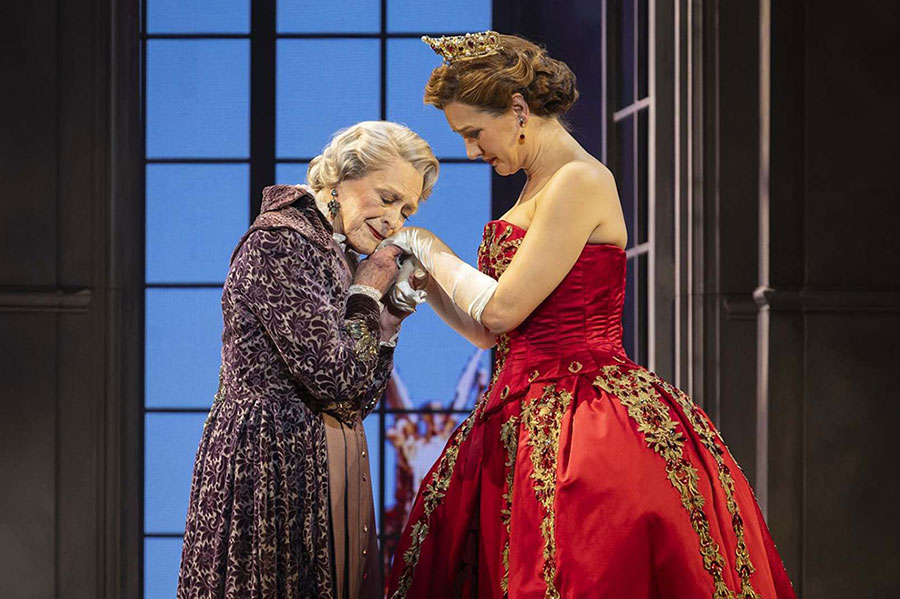
She’s also relished watching her students’ careers unfold. “The standard of musical theatre in this country has gone up and up,” she says. “They’re so well-trained, and they’re so good at it. It’s a delight to listen to the vocal quality of the kids I’m working with in this current show.” That’s Anastasia, in which she plays the Dowager Empress. “It’s a lovely role,” she says, “so I’m very happy at the moment.” As for the future? “I just hope I know when to get off!”
Anastasia: Sydney Lyric.