City Recital Hall, October 28
8.5/10
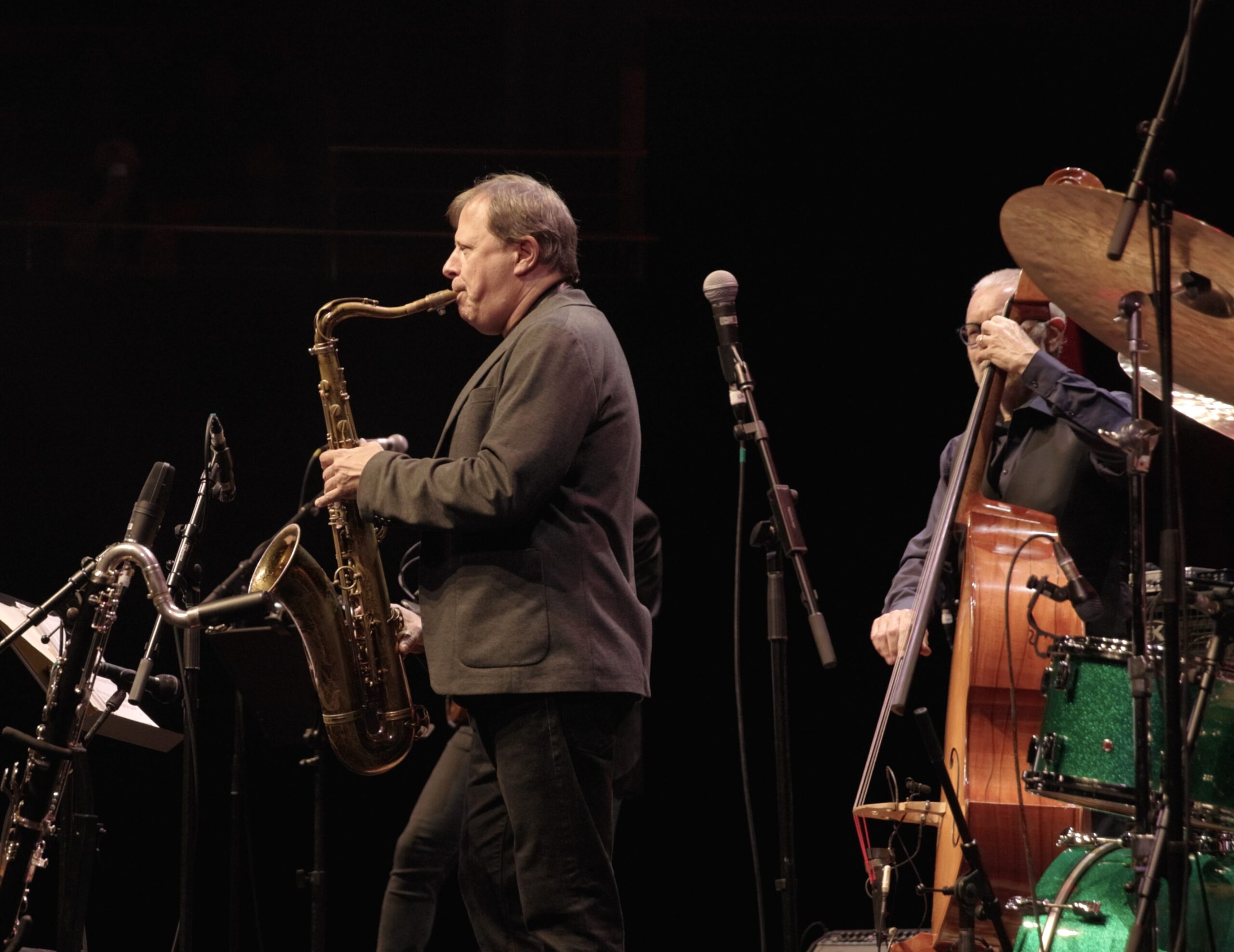
Jazz is partly the art of surprise. If you can surprise your bandmates, with whom you’ve improvised on the repertoire’s material myriad times, there’s a fair chance you’ll surprise the audience. But if you pile surprise upon surprise, they swiftly cease to work. Jazz is also a fine-line art.
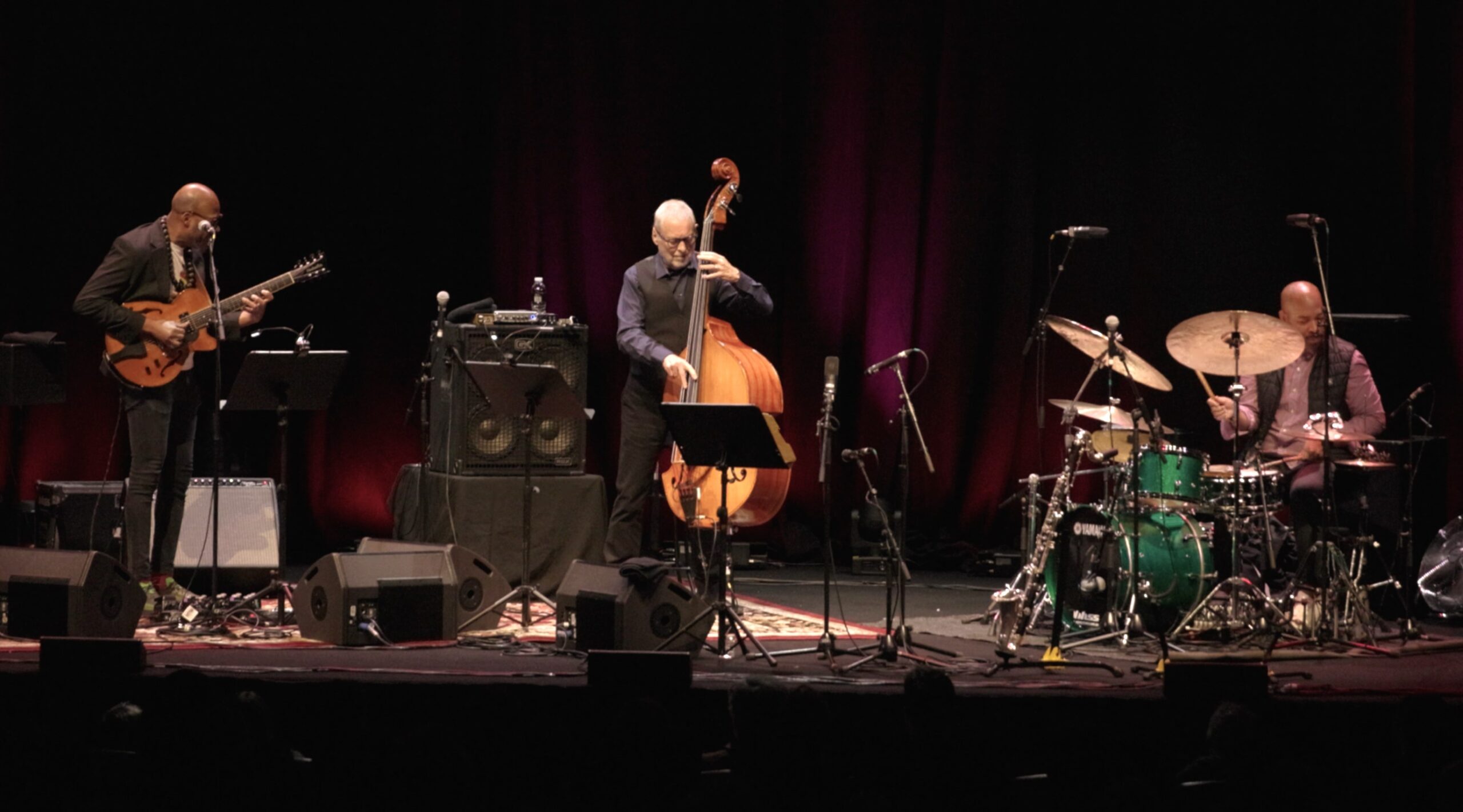
Aziza consists of four acclaimed band leaders. A dozen years ago, saxophonist Chris Potter suggested this combination to his longtime colleague Dave Holland, arguably jazz’s most celebrated living bassist. Alongside the formidable drummer Eric Harland, there’d be the quirky guitarist Lionel Loueke, who originally hales from Benin. Twenty years ago, Loueke cracked the jazz scene wide open by combining his West African rhythmic sensibility with advanced harmonic language and the ability to double his guitar parts with a sweet singing voice.
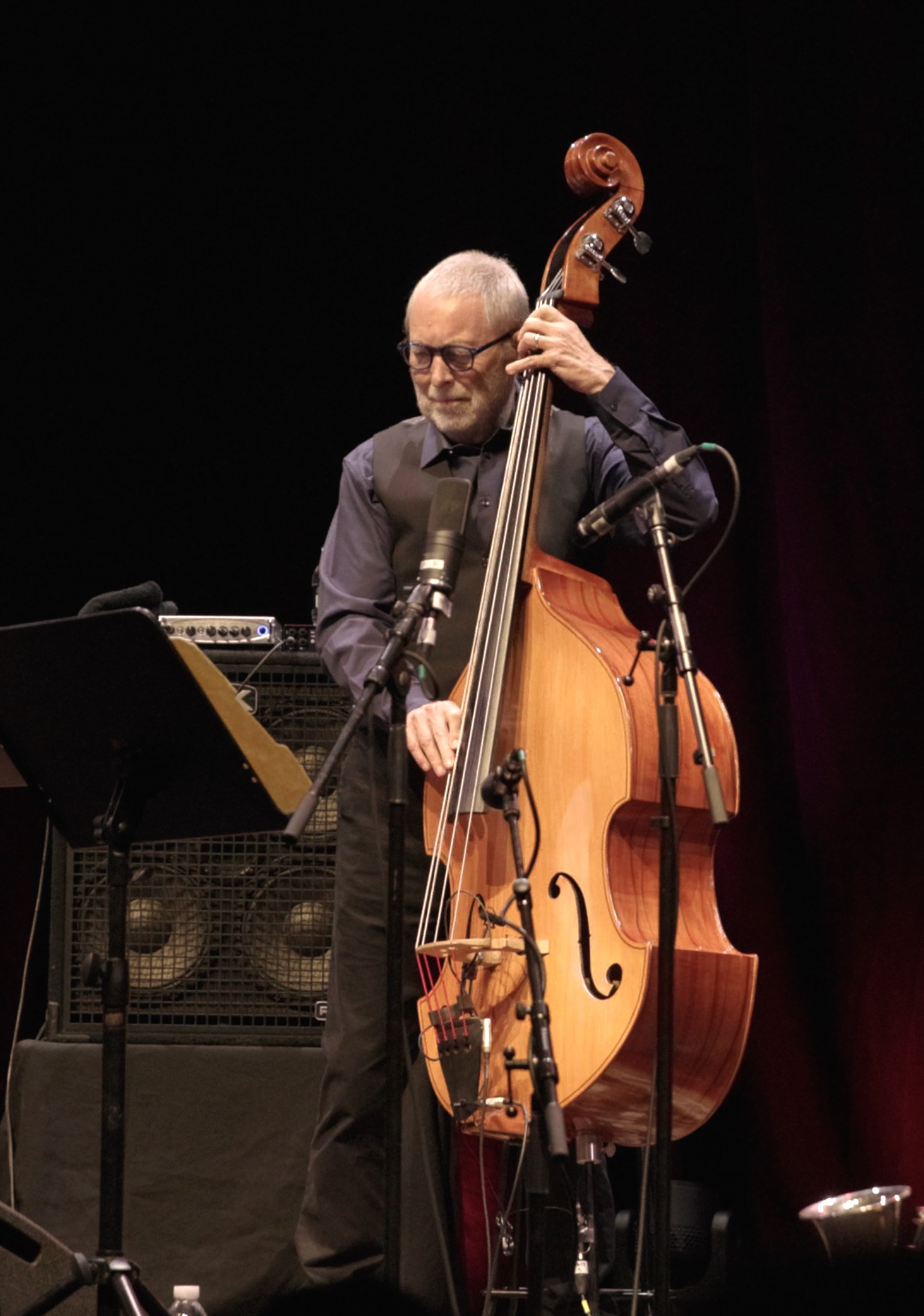
While Loueke’s presence differentiates the band from other projects involving Holland, Potter and Harland, Aziza is equally distinctive because three of the new century’s major musicians are collaborating with one of the greatest of all time in Holland. He routinely exhibited joy in their work, especially that of Harland, and a wicked intensity and sophistication characterised the pair’s dialogues. If Loueke broadened the music’s influences, Harland was the primary source of surprise – including in the ever-changing nature of his kit. Alongside the eccentricity of two hi-hats and two snare drums, this one had two floor-toms actually sitting on the floor, rather than on legs.
The compositions come from all members of the band. Potter’s glorious Summer 15 has such an impish groove and melody (taken by the composer on bass clarinet) as to suggest the title is a childhood reminiscence. Loueke played a spiky, ricocheting solo, with unexpected stop and start points to his phrases, and vaulting melodic intervals, while Potter’s exultant tenor saxophone solo sustained the playful mood.
Holland’s Another Land began with solo bass carrying the haunting quality that’s defined so much of his solo work across 60 years, alongside his visceral rhythmic energy and intellectual acumen. Potter again played the melody on bass clarinet, with Loueke’s guitar frosting the edges of each note. Harland was initially politely demure behind Loueke’s slippery solo on this, and then suddenly crashed a cymbal so loudly as sent a jolt through the music, the room, and the whole concert.
His own Aquila followed, where he underscored Holland’s solo with such finesse it was as if he were merely italicising certain notes. Loueke’s quicksilver lines danced and spiralled, before a bulldozing tenor solo from Potter, which galvanised Harland to explode into action, briefly ratcheting up the four-way energy – which just as quickly evaporated to a coda of ghostly, fluttering, unaccompanied tenor.
There was gutter funk and mesmerising lyricism, and Loueke’s Sleepless Nights perfectly encapsulated the agitation of insomnia. Above all, burned into the memory bank, was the sense of their ultimate fluency as improvisers combined with musical fluidity. Oh, and surprise.