Interviewing Lonnie Holley is like looking into a verbal kaleidoscope. Beautiful thoughts and patterns mingle with more obtuse forms and abstractions – rather like his songs, which are entirely improvised: not just the music, but the words, too.
His life story is as unique as his music. One of 27 children, he became separated from his mother before he was two, was reputedly traded for a bottle of whiskey at four, and worked in a travelling fair. Much later, he collected discarded objects to make sculptures. Once discovered, his work was celebrated for its originality, and exhibited in major galleries. Then, in his 60s, he added music to his output, taking Holley to an even wider audience.
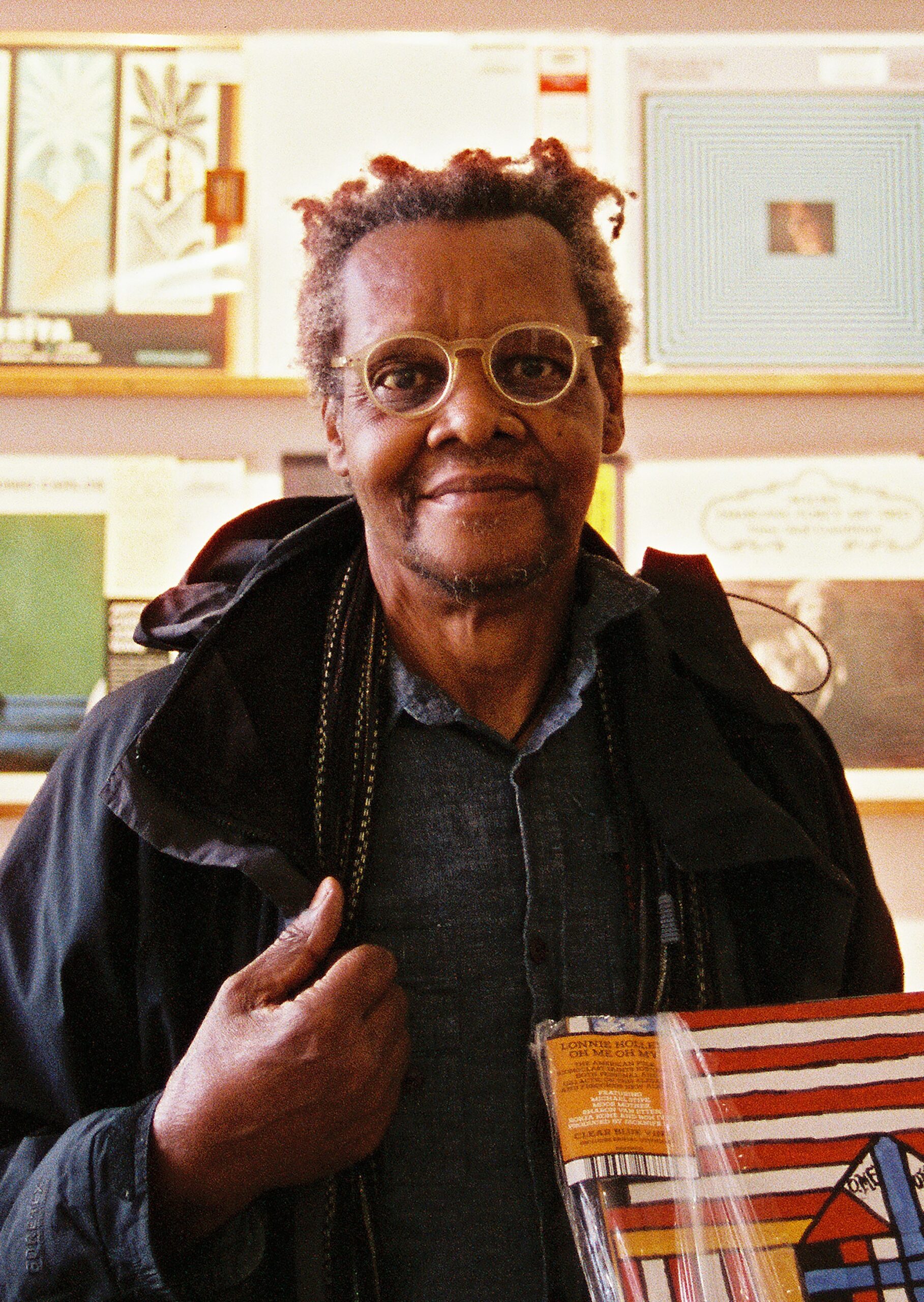
When he talks via Zoom from a pretty Atlanta home, I ask him about the flow of improvised words. “Over the period of life for me,” he replies, “there have been so many memories saved up. I call it diving into the ocean of thought… I try to chew them up, mix them up, make them into a big pot of gumbo, and then serve them.”
With his memory being a limitless resource for his lyrics, he likens it to “a carousel of thought. But you got to remember, every now and then, the carousel has to stop to let the peoples off and let the peoples back on. The carousels just can’t go on and on.”
He talks of fairground competitions, and then, as if by way of self-analysis, says, “The reason why I’m talking to you like this is because we are at a time now when everybody is struggling to keep focused.” He holds up his hands up like blinders at the sides of his eyes. “I need to put on my own blinders where I won’t see all this other stuff all on the side of me; too much not to yield to temptation.”
I ask about becoming a musical artist so late in life. “I had always been singing,” he says. “I think singing is a part of my DNA; mama song. Mama mostly moaned and groaned it… I try to teach others with my music. One day, say 10,000 years from now, they’ll put all of those albums into the category of biblical continuation of volumes of information that have been uttered out of a human that the spirit has chose to do these things for the sake of the greatness of the humanity.”
He explains that he’s trying to make music with a kindness that can help people relax about their place in the universe. Amid a haze of metaphors he lands on climate change, and refers to his 2025 anthem A Change is Gonna Come. “We are that change,” he insists. “And we got to make it known that, hey, no matter how many of us become victims of the change, we’re still working on the change… We as a people can easily erase, without intention, our own selves.”
Asked if he’s ever felt like a conduit for creativity rather than its inventor, he talks about letting the rhythm have control, then says, “I call it freestyle smithing… That means you get it freely, and automatically go to smithing it, working it, breaking it down, fixing it… That’s like the pot of gumbo, the ingredients that it needs to taste right: a little pinch of that, a little pinch of that, until the masterpiece is made.”
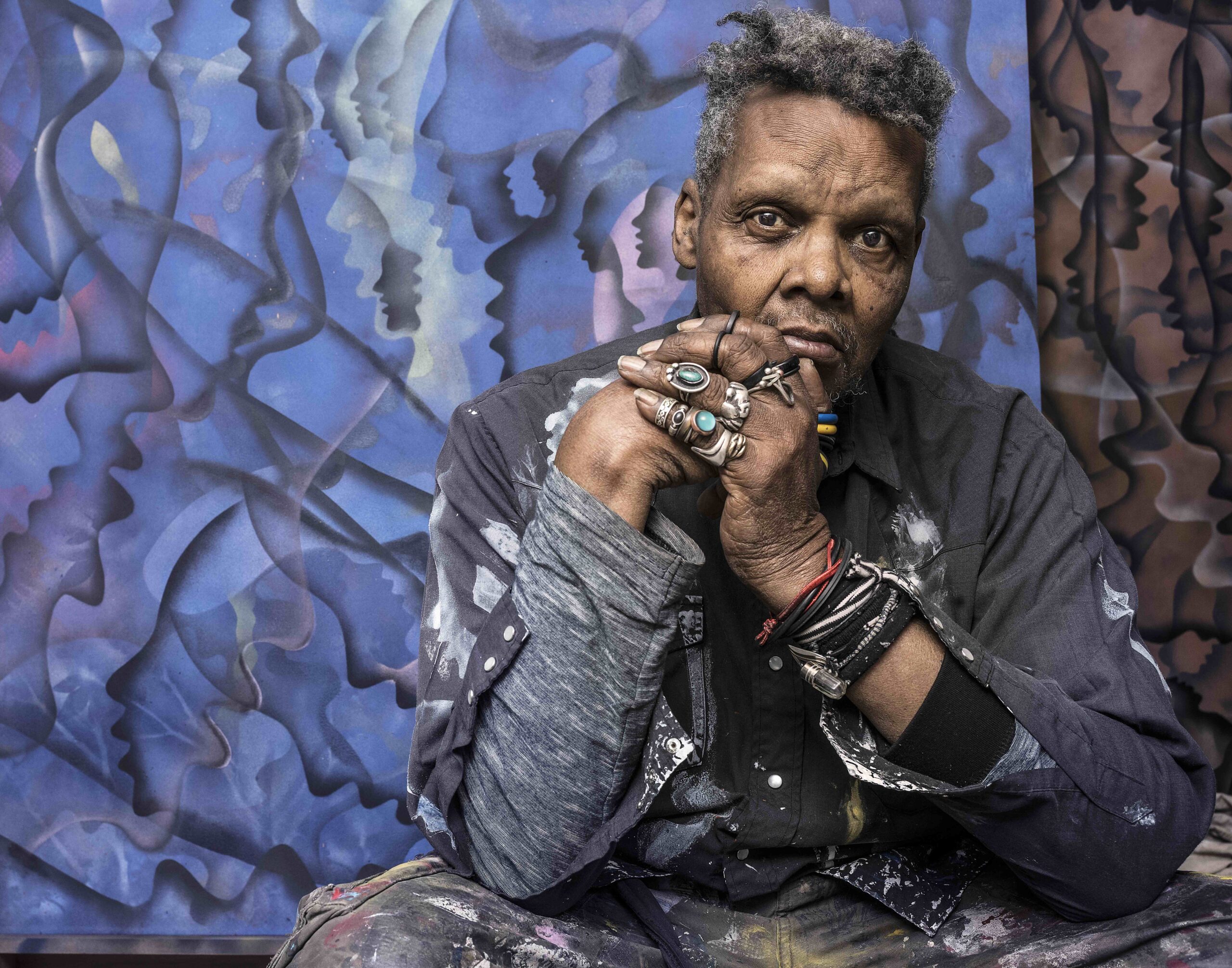
He trails off into a new reverie about addressing climate change, with visions of space shuttles, the power of 144,000 elephants, windmills, and ships that filter air. “I’ve seen it,” he says. “Give me time. I can mould it down. That’s what I sing about.”
As a tiny child, he endured appalling hardships trying to reunite with his mother. “It might’ve been a mistake that I was taken,” he says, “or the woman might have stole me away, but whatever the incident that occurred that separated me from mama, that was my only focus point. I needed my mother because I was into a situation that was too hard for me to be dealing with.”
He tells of sleeping in sewers and scrabbling up banks to avoid drowning. “It was a lot that a little boy had to do to survive on his own… I’m not a jungle-book child. I’m an inner-city dweller. I was raised up in the city with so much going on around me.”
He muses on his self-education via found copies of National Geographic and encyclopedias, and shifts to the potential impact of his music to “sharpen mindsets”. After 40 minutes, we say goodbye, and I have an odd – but entirely pleasant – feeling that I’ve just been in someone else’s dream.