KXT on Broadway, August 26
6/10
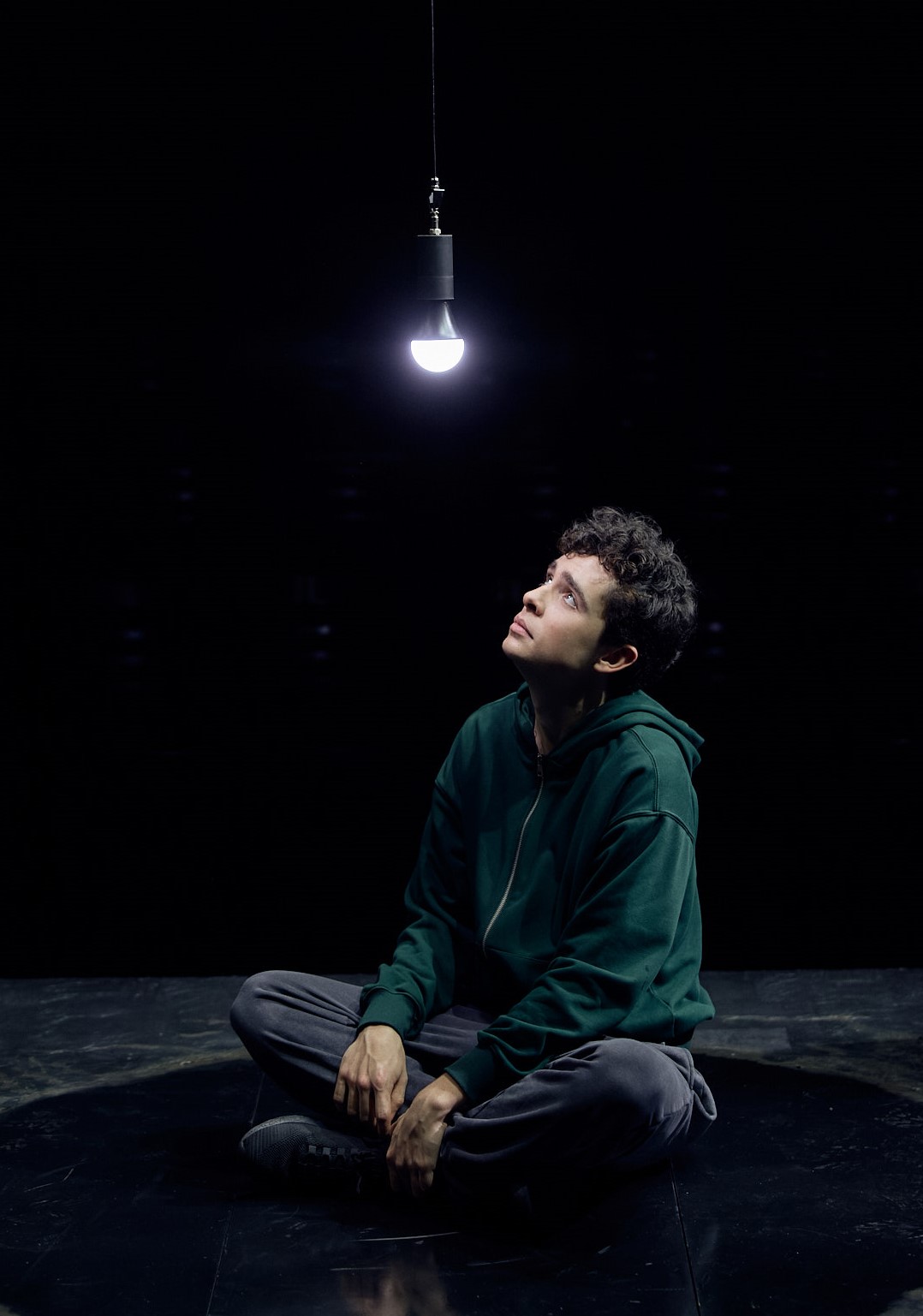
“When Equus leaves – if he leaves at all – it will be with your intestines in his teeth,” Dysart tells Alan at the end. Equus the play should have that effect on us, the audience, too. But here there were no gnawed vitals, and not even any tears. You leave slightly shell-shocked, but not shattered by Peter Shaffer’s extraordinary play – and this is despite the production having much to recommend it.
Premiering in 1973, Equus tells of 17-year-old Alan (Ryan Yeates) being treated by child psychologist Dr Dysart (Jay James Moody) after blinding six horses with a metal spike. No, not a subject for the faint-hearted, although it’s interesting how cruelty to animals presses our sympathy buttons more readily than cruelty to fellow humans. Perhaps we manage to believe that other members of our species deserve whatever atrocity befalls them.
Yet between Alan’s crazed motivations and Dysart’s sad existence we should care about more than the wretched horses. The problem is that director Brockman (for Daniel Cottier Productions) has chosen to amplify an aspect of the play that, while intriguing, ultimately distorts it and reduces its emotional impact. Alan worships horses as gods, and Brockman’s concern, espoused in a director’s note, is not what happens when we take away the thing someone worships, but what happens to the object of worship, itself.
Rather than having multiple horses rendered ritualistically with masks, Brockman depicts only the key horse, Nugget, rendered with no equine conceits, but as an abnormally large person played by Shalamah Tautaiolefue. The director also opts to have Alan rape Nugget.
While I understand and sympathise with Brockman’s concerns, the upshot is ultimately the distortion I mentioned, with the play’s power not helped by some awkward direction on KXT’s traverse stage, so that interlocutors too often circle each other like boxers. The metaphor may intermittently be apt, but not this often.
None of this has stopped Yeates delivering an often-startling performance as Alan: a brooding presence whose surly exchanges hide a world of pain and sexual confusion. The role – especially in Brockman’s production – demands the highest level of commitment, and Yeates is never found wanting.
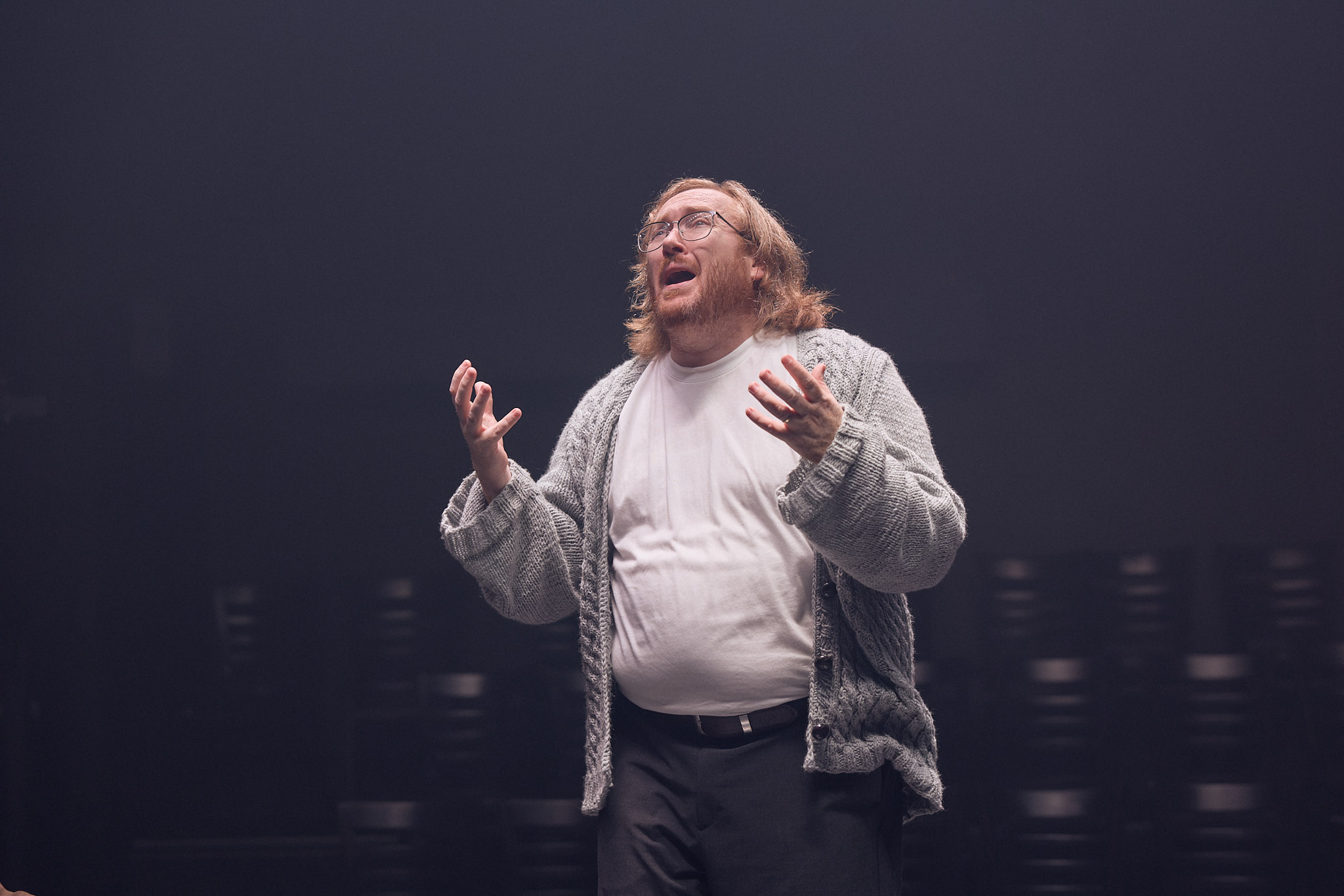
As Shaffer intended, Yeates’ Alan meets his match in James-Moody’s Dysart, a complex man in a loveless marriage trying to resolve the infinite complexities of others. James Moody is deliciously wicked when doing impressions of his Scottish dentist wife, and compelling when delivering the play’s core theses, which involve the nexus between religion, sex and pain, the entwining of worship and desire, and the way that enforced normalisation of behaviour can tear a soul apart.
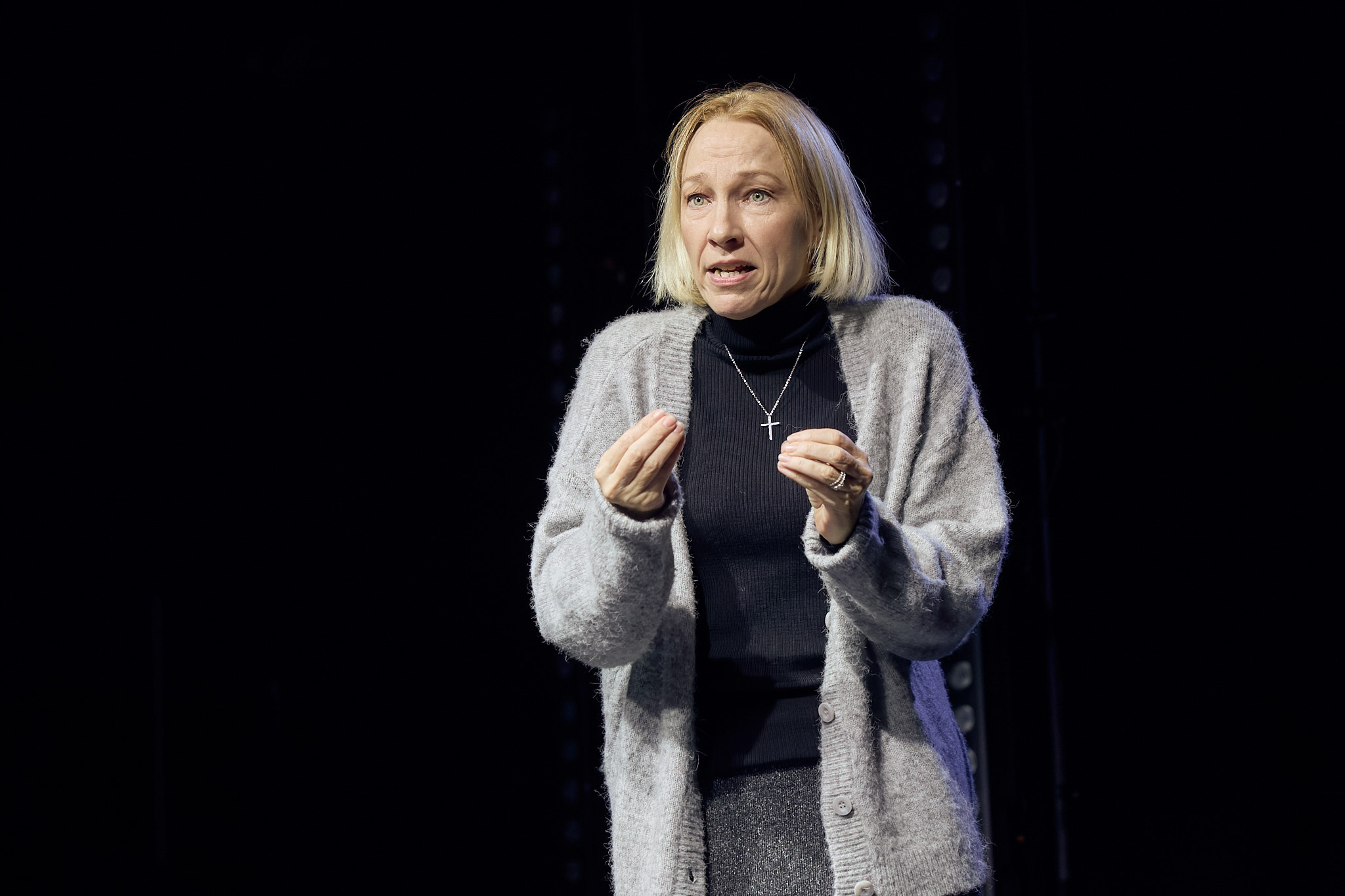
The scenes with the other actors – Cloud Fernandez-Montoya, Sophie Gregg, Gus Murray, Linda Nicholls-Gidley, Stephen Madsen and Tautaiolefue – tend to be less compelling, perhaps because Shaffer’s delicate balance between naturalism and ritual has been broken. But I can promise you this: you won’t forget you saw it.
Until September 5.
https://www.kingsxtheatre.com/equus