Ensemble Theatre, March 27
8/10
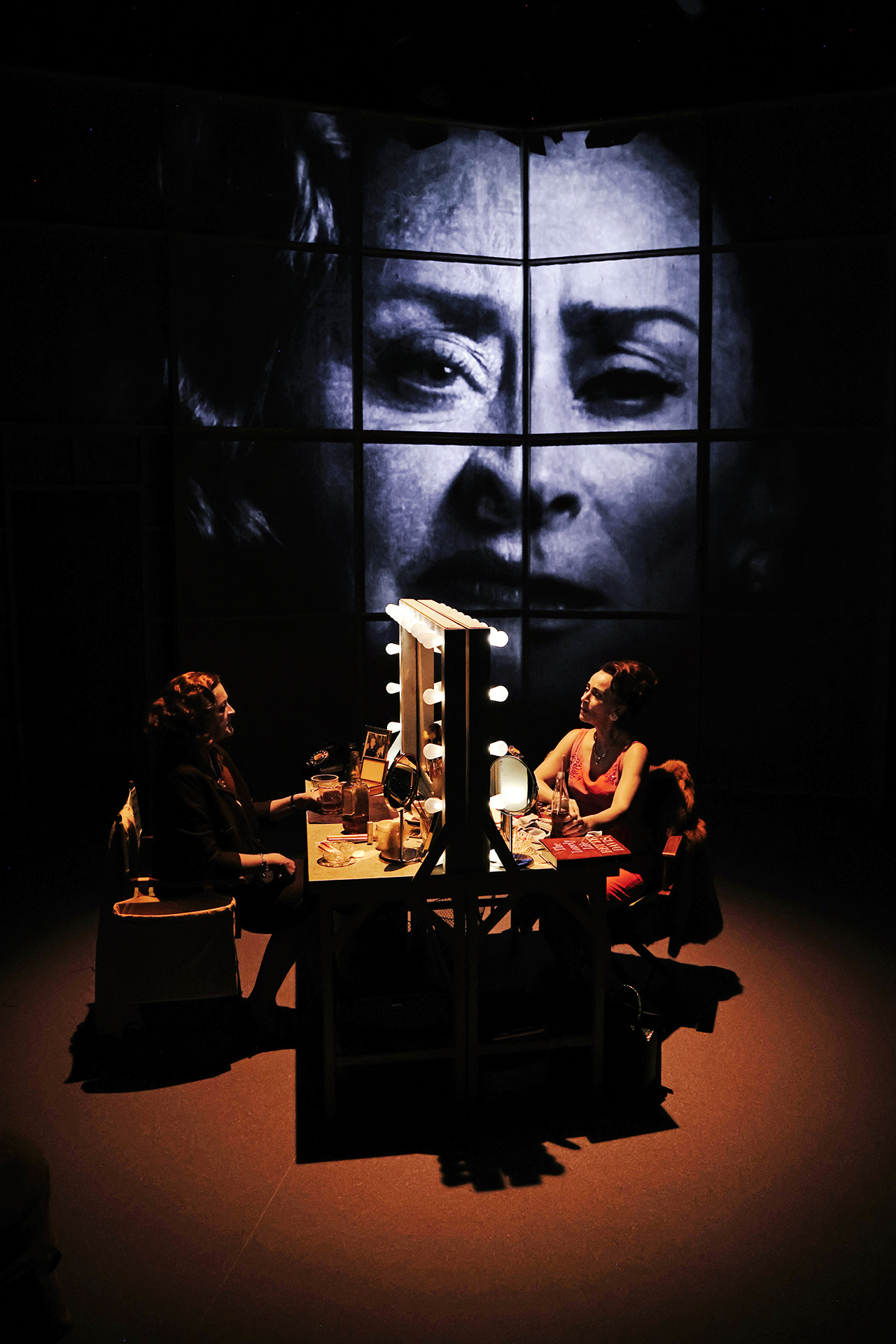
Acting is a challenging art. Playing real people – especially those with whom the audience is readily familiar – is tougher, still. Now the actor is torn between mimicry and shooting for something that blends reality and artistry. The audience, meanwhile, easily becomes preoccupied with the accuracy of the representation.
So it was at the start of Anton Burge’s Bette & Joan, set during the 1962 filming of Whatever Happened to Baby Jane?, when Bette Davis and Joan Crawford were fighting a rearguard action against Hollywood’s insistence that female stars had a use-by date. They wanted to keep working, for both artistic and financial reasons, and Crawford found the vehicle for them to do that – if they could just suppress the poisonous rivalry and personal antipathy that had dogged them for three decades.
When Lucia Mastrantone (Joan) and Jeanette Cronin (Bette) enter a set depicting their dressing-rooms (separated by an invisible wall), we scrutinise their looks, voices, accents, deportment, clothes and more, as though their performances are exercises in exactitude. That most of the first act consists of monologues rather than interaction only lessens the distraction from this scrutiny, which is disconcerting when one wants to be absorbed by the characters and story.
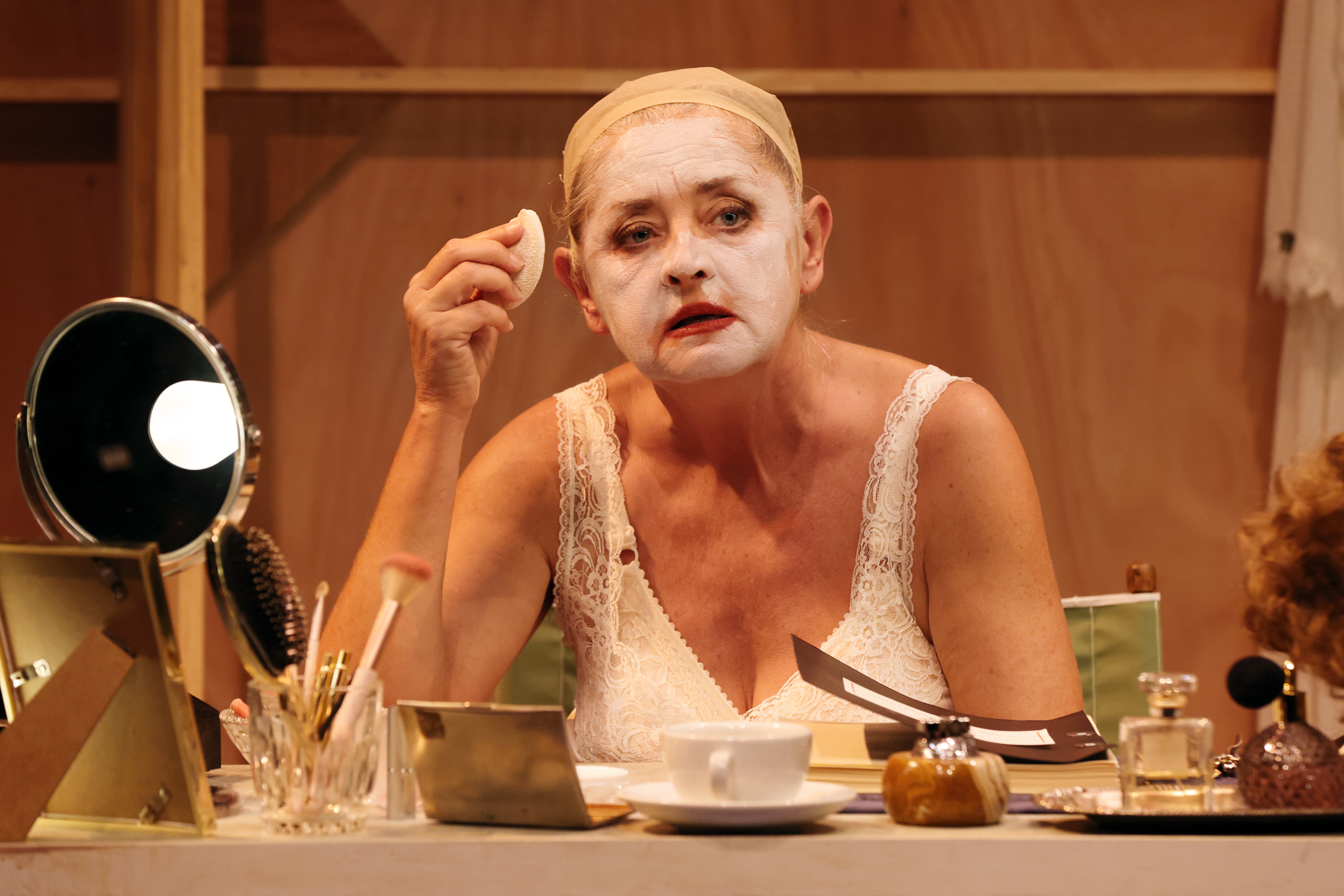
Slowly the actors win us over, but it was not really until we returned from the intermission that those factual obsessions flew out the dressing-room window. Now Cronin and Mastrantone were Bette and Joan. It was partly a process of becoming accustomed to their performances and partly the fact that they spend most of Act Two conversing, increasing the play’s intrinsic engagement.
Director Liesel Badorrek probably found the two best actors in town for the roles, and designer Grace Deacon has arranged the dressing-rooms more cunningly than in Burge’s stage directions, and dressed the actors to perfection.
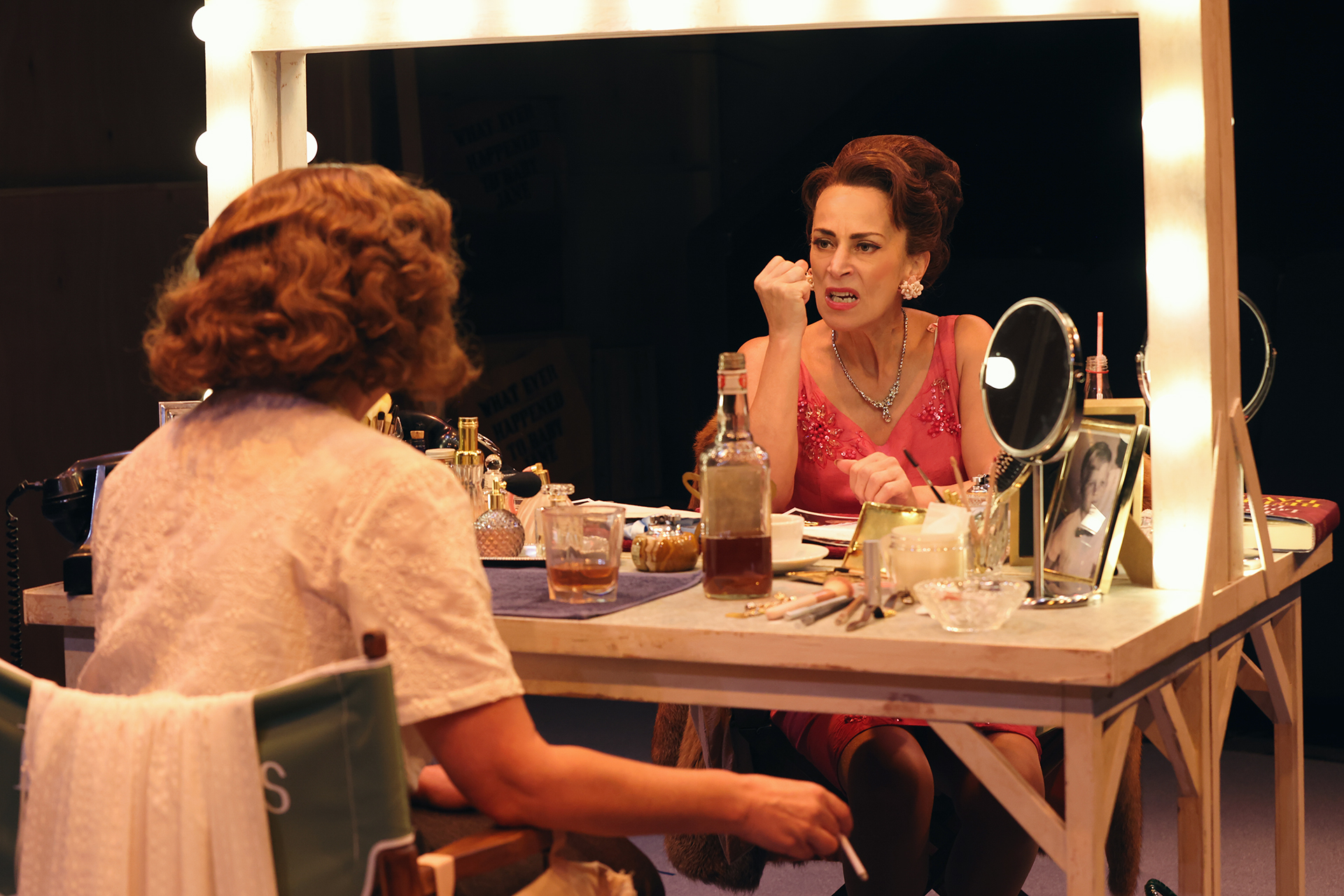
Mastrantone gives us a Joan who would be glamorous if she were vomiting, and Cronin embodies the hard-nosed professional actor that was Bette, and looks uncannily like her, especially her eyes. We see these clearly because, in a masterstroke, Badorrek has opted to use both live and prerecorded black-and-white videos (designed by Cameron Smith) of the women, projected on the rear wall. The videoed versions might soliloquise, converse with their live counterparts, or provide live close-ups of the actors, now seen as though in a movie, aided by Ross Johnston’s musical choices. It is not just a trick: it dramatizes monologues, and cleverly suggests that the characters’ inner worlds are their professional lives as stars.
Both Bette and Joan are capable of being petty and nasty, yet Burge and the actors ensure we like them, whether because they make us laugh or because of their complexity. As the play deepens psychologically, it becomes more and more engrossing, until we are moved and fascinated by exemplary performances of intriguing characters caught in the predicament of ageing.
Until April 25.